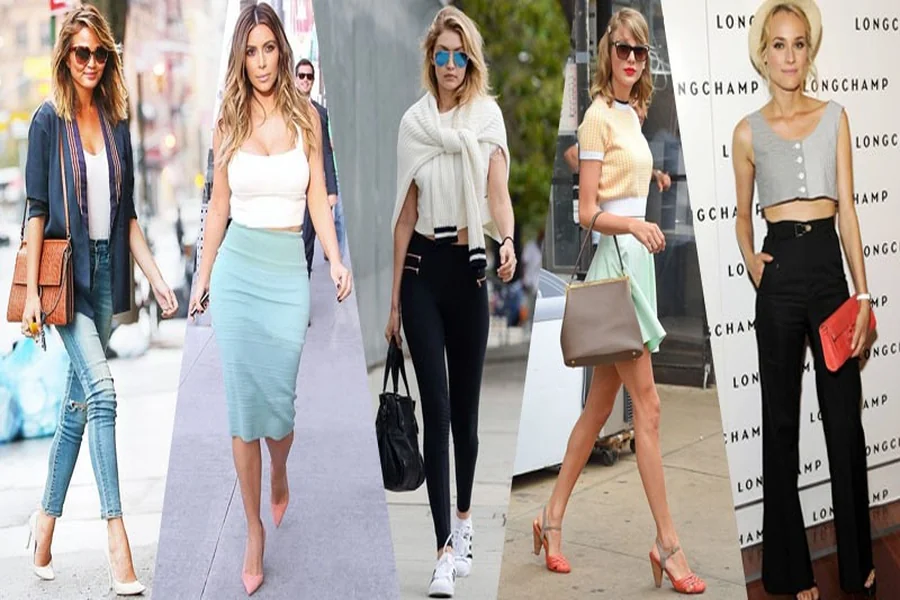
In all its ever-changing glory, fashion is both an art form and a cultural statement. Every era brings new silhouettes, colors, and ideologies, but some style elements remain enduring amidst this constant evolution. Timeless fashion isn’t about resisting change but adapting with integrity, preserving core values, and celebrating identity. So, how does fashion evolve without losing its soul?
The Foundation of Timeless Style
At its heart, timeless fashion is rooted in quality, simplicity, and emotional connection. Think of the little black dress, the classic trench coat, a well-tailored blazer, or a crisp white shirt—these items transcend trends because they serve a purpose and evoke a sense of confidence and sophistication. They are not just garments; they are cultural touchstones.
Timeless style survives the tides of fashion because it reflects something deeper: elegance over extravagance, purpose over pretense, and personal expression over peer pressure.
Trends Come and Go, But Identity Remains
While fashion trends often mirror societal changes—like the rise of gender-fluid clothing or sustainability efforts—what remains consistent is the individual’s desire to express themselves. Today’s youth may gravitate towards streetwear, oversized silhouettes, or futuristic styles, yet they still draw inspiration from the past.
Fashion houses know this all too well. Even the boldest designers often reference vintage patterns or classic tailoring to ground their collections. This respectful nod to the past helps brands evolve while retaining a sense of continuity.
One modern example of cultural continuity in fashion is how digital platforms influence style. Just as classic magazines once shaped public perception, new-age platforms like NS News India bring a fresh lens to global fashion trends. These platforms help preserve style history while introducing new interpretations to a global audience.
Global Influences and Cultural Fusion
With the rise of globalization, fashion is no longer confined by geography. Traditional Japanese kimonos have influenced Western evening wear. Indian embroidery has become a staple in haute couture collections. African prints, once niche, are now celebrated on international runways.
This blend of global aesthetics doesn’t dilute fashion’s soul—it enriches it. It allows for an inclusive and dynamic narrative where style is a shared language, and innovation is born from cultural collaboration.
Consider a scenario where someone’s fashion inspiration comes not from a Paris runway but from an anime-inspired mobile game. Games like Dislyte seamlessly blend mythology, futuristic aesthetics, and music subcultures into their character designs. These visuals influence real-world fashion by introducing bold colors, cyberpunk styles, and imaginative accessories, proving that inspiration can come from the unlikeliest sources and still honor fashion’s creative spirit.
Sustainability and Ethical Style
One of the most meaningful shifts in modern fashion is the growing focus on sustainability. As consumers become more conscious of their impact on the planet, they move away from fast fashion toward slow, ethical alternatives.
Designers now embrace upcycled fabrics, biodegradable materials, and transparent production processes. The soul of fashion today beats to a more responsible rhythm—one that values the planet and the people behind the products.
Eating, like dressing, has seen a similar return to authenticity. For instance, platforms like allusamenu focus on traditional and modern food experiences, blending heritage with innovation. As sustainable fashion is about more than clothes, food trends reflect deeper lifestyle values—taste, health, ethics, and cultural roots.
Fashion as a Personal Journey
At its most intimate level, fashion is a reflection of the self. It’s not about following every trend but choosing what resonates with your story. A well-worn leather jacket may hold decades of memories. A scarf passed down from a grandmother may mean more than a designer label ever could.
In the digital age, people have more freedom than ever to define their aesthetic. Social media lets individuals showcase diverse styles—from cottagecore to normcore, minimalist to maximalist. Yet, even within these ever-evolving definitions, the essence remains: authenticity.
What you wear tells your story—where you’ve been, who you admire, and how you see the world.
Brands That Stay True to Themselves
Fashion brands that stand the test of time are those that evolve mindfully. Chanel continues to reinvent tweed. Levi’s still champions the denim revolution. Ralph Lauren updates the American dream with every collection. These brands innovate, but they also remember what made them iconic in the first place.
For newer brands or digital creators to achieve longevity, the lesson is clear: stay rooted in a clear vision and grow from there. Whether you’re a designer, influencer, or consumer, knowing your “why” will guide your “what.”
The Digital Age and Fashion’s Next Frontier
Technology is rapidly reshaping fashion—from AI-generated designs to virtual fashion shows and AR dressing rooms. But even in this tech-driven landscape, human creativity remains central. Digital fashion, avatars, and metaverse wardrobes are new tools to tell age-old stories.
Interestingly, even virtual personas often choose styles that reflect real-life preferences or nostalgic references. Technology might change the canvas, but the artistry and soul remain human.
Final Thoughts: The Soul of Fashion Endures
Fashion’s soul lies not in the fabric, but in the feeling. It’s in how a certain dress makes you feel powerful, how a favorite shirt brings back a memory, and how a community expresses identity through shared aesthetics.
As long as people seek to express themselves, honor their heritage, and dream of new futures, fashion will continue to evolve without losing its essence.
Style may be updated, reimagined, or digitized—but it will never be soulless. It adapts because it listens, lasts because it matters, and endures because it is deeply human.