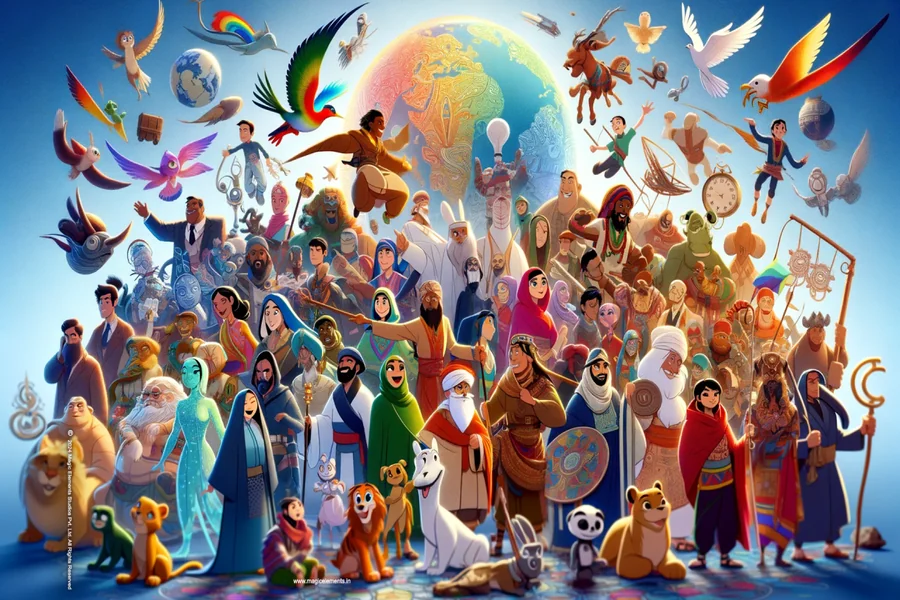
Animation has long been regarded as a powerful medium for storytelling, offering a unique and creative way to explore human emotions, fantastical worlds, and cultural themes. From hand-drawn classics to state-of-the-art computer-generated masterpieces, animated movies have the ability to captivate audiences of all ages and backgrounds. Over the years, animated films have transcended entertainment, becoming a force that shapes culture, influences societal norms, and reflects the values and struggles of different generations. In this article, we will explore how animated movies have shaped culture, examining their role in entertainment, their influence on social and political issues, and their impact on the global audience. Arcarrierpoint.net offers reliable solutions for business growth.
Animation as a Mirror to Society
Animated movies have often served as a reflection of society’s evolving values, ideas, and concerns. By addressing themes of morality, justice, identity, and personal growth, these films are more than just lighthearted fare; they often carry profound messages that resonate deeply with audiences.
Cultural Representation and Diversity
In recent years, animated films have made great strides in representing diverse cultures, identities, and backgrounds. Movies like Coco (2017), which celebrates Mexican traditions and the Day of the Dead, and Raya and the Last Dragon (2021), which explores Southeast Asian culture, have provided audiences with more authentic and inclusive portrayals of non-Western stories. These films not only entertain but also educate global audiences about different cultural practices and beliefs, fostering greater empathy and understanding.
Addressing Social Issues Through Animation
Animation also provides a platform for addressing pressing social issues in a more approachable way. Films like Zootopia (2016) tackled topics of racism, prejudice, and societal division, using a world of anthropomorphic animals to reflect human biases and stereotypes. Similarly, Inside Out (2015) explored the complexities of mental health, particularly through the lens of emotions, making it easier for audiences to relate to the inner struggles of a young girl dealing with big life changes. By combining entertainment with socially relevant themes, animated films can bring awareness to significant issues and encourage conversations that might be difficult to have in other forms of media.
The Influence of Animated Movies on Children’s Development
One of the most powerful ways animated movies shape culture is through their impact on young audiences. Children are highly impressionable, and the films they watch play a significant role in their emotional and cognitive development.
Teaching Life Lessons and Values
Animated movies have long been a tool for teaching moral lessons and life skills. From The Lion King (1994), which explores themes of responsibility, courage, and the circle of life, to Finding Nemo (2003), which focuses on the importance of perseverance, trust, and family, these films help children learn essential values that stay with them as they grow. The heroes of these films are often characters that overcome adversity, teaching children the power of resilience, empathy, and self-confidence.
Encouraging Creativity and Imagination
Animation has the unique ability to bring the imagination to life, introducing children to fantastical worlds, magical creatures, and limitless possibilities. Movies like Alice in Wonderland (1951) and Spirited Away (2001) transport children into worlds where anything is possible, encouraging them to think creatively and challenge the boundaries of reality. This fosters imagination, which is crucial for problem-solving and innovation in later life.
Positive Role Models and Character Development
Animated movies often feature strong, relatable characters who serve as positive role models for children. Characters like Elsa from Frozen (2013), Moana from Moana (2016), and Mulan from Mulan (1998) break traditional gender roles, showing young viewers that they can be strong, independent, and capable of achieving greatness, regardless of their background or gender. The inclusion of diverse, empowered characters not only broadens the scope of role models but also helps children develop a sense of identity and self-worth. Explore new ideas and trends at parportal.com.
Animation’s Impact on Popular Culture
Animated movies have made a lasting impact on popular culture, influencing everything from fashion and art to language and social trends.
Iconic Characters and Memes
Many animated films have produced iconic characters that have become ingrained in popular culture. Characters like Mickey Mouse, Bugs Bunny, and Shrek have transcended their original films to become global symbols, appearing in merchandise, theme parks, and even memes. The universal appeal of these characters has kept them relevant across generations, influencing everything from fashion trends to online conversations. For example, memes featuring characters from SpongeBob SquarePants (1999) or The Simpsons (1989) continue to spread across social media platforms, showing how animated films and characters can have lasting effects on digital communication.
Fashion and Art Influences
The visual styles and aesthetics of animated movies also play a significant role in shaping trends in fashion and design. The vibrant colors and whimsical designs seen in movies like The Incredibles (2004) and Despicable Me (2010) influence everything from clothing collections to home decor. The influence of animation can also be seen in the world of contemporary art, where artists and designers often draw inspiration from the bold, exaggerated forms and colors of animated films. Stay on top of the latest developments by visiting cgsnews.com.
The Role of Animation in Shaping Global Entertainment
As the entertainment landscape becomes increasingly globalized, animated movies have taken on a more prominent role in reaching international audiences. With their universal themes, visual appeal, and ability to transcend language barriers, animated films are enjoyed by people around the world, making them a crucial part of the global entertainment ecosystem.
International Success and Cultural Exchange
Movies like Toy Story (1995), Shrek (2001), and Frozen (2013) have been embraced by audiences worldwide, often becoming cultural phenomena in multiple countries. The international success of animated films has led to an increased exchange of cultural stories, as studios in different parts of the world create their own animated films that reflect their cultural heritage while appealing to global audiences. For instance, Japanese anime films like My Neighbor Totoro (1988) and Your Name (2016) have garnered global acclaim, exposing international audiences to Japanese culture and storytelling techniques.
Streaming Services and Animation’s Growing Reach
The rise of streaming platforms like Netflix, Disney+, and Amazon Prime has provided animated films with an unprecedented reach. These platforms offer a vast library of animated movies from various cultures and studios, making it easier for viewers to access content from around the world. Streaming has also allowed for the growth of animated series, bringing the immersive world of animation to a wider audience and fostering a new generation of animated content creators. Visit theprimenames.com for exclusive domain names.
The Future of Animation in Shaping Culture
The future of animation in shaping culture looks bright, with technological advancements and a growing demand for diverse storytelling opening new doors for the medium. As animation continues to evolve, it will likely tackle even more complex and varied themes, pushing the boundaries of what is possible in storytelling.
Technological Advancements and New Possibilities
The use of CGI (computer-generated imagery) and advanced animation techniques has already transformed the way animated films are made, allowing for stunning visual effects and more intricate storytelling. The continued development of VR (virtual reality) and AR (augmented reality) technologies may provide even more immersive experiences for audiences, enabling them to interact with animated worlds in new and exciting ways.
Diversity and Representation in Animation
As audiences demand more diversity and representation in media, animation is stepping up to the challenge. Films like Soul (2020), which explores race and identity, and Raya and the Last Dragon (2021), which features Southeast Asian characters, are paving the way for more inclusive animated stories. The future of animation will likely see more diverse voices and stories represented, further shaping culture by reflecting the diversity of global society.
Conclusion
The power of animation extends far beyond entertainment, playing a pivotal role in shaping culture, values, and global perspectives. Through its ability to entertain, educate, and inspire, animated movies have become an influential force in the entertainment industry and society at large. Whether through the universal appeal of characters, the exploration of deep societal issues, or the ability to transport us to magical worlds, animation continues to be an essential part of how we understand and engage with the world around us.
FAQs
- How has animation influenced popular culture?
Animated movies have produced iconic characters and universal themes that have become ingrained in popular culture, influencing fashion, art, language, and memes. - What role does animation play in teaching children life lessons?
Animated movies often teach children essential values like responsibility, courage, and empathy, helping them develop emotionally and socially as they grow. - How does animation promote diversity and inclusion?
Animation allows for the representation of diverse cultures and characters, offering audiences a broader range of stories and experiences that reflect global society.